

Transmission Diagnostics
Transmission Diagnostics in Broken Arrow, OK
Cutting-Edge Diagnostic Software
Here to Test Your Transmission
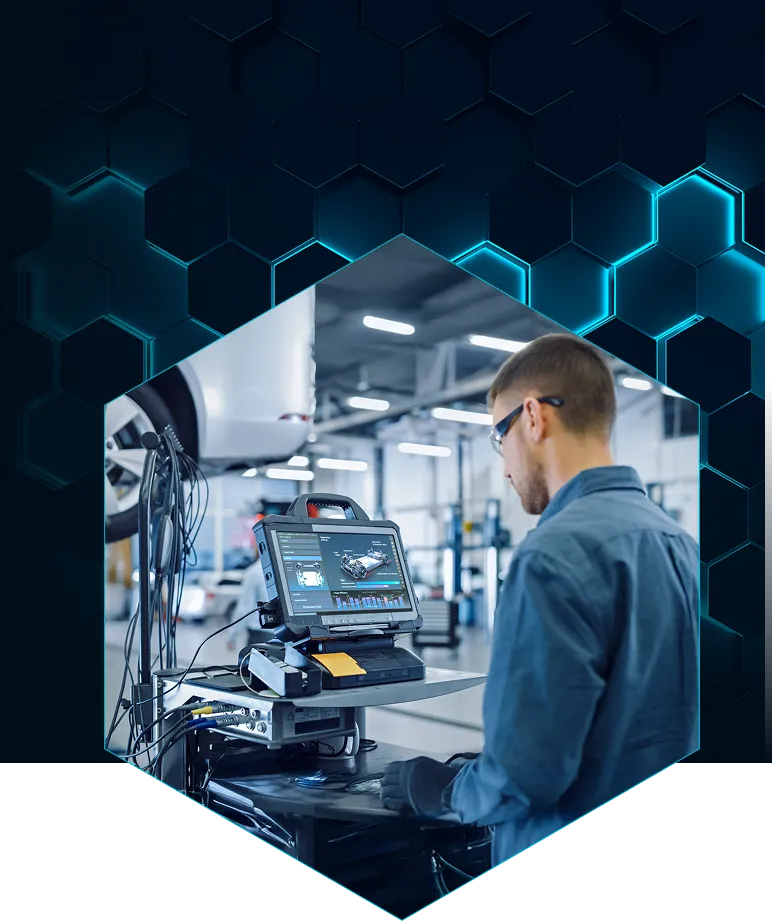
The most important service when bringing your vehicle to a transmission repair shop for a shifting concern is the diagnostics. Without a complete and proper diagnostics, especially on today’s complex transmissions, the chance for a successful repair outcome is very low and typically not warranted. Having the right technician, state of the art equipment, extensive training, and experience is crucial. It is what separates a transmission shop from a great transmission repair shop. The highly experienced and professional diagnostic team at Lifetime Transmissions do not waste your hard earned money on guesses. Instead, we work directly with cutting-edge diagnostic software to read the internal electrical components and computers of your domestic and import car, truck, and SUV. We will give you a detailed report on our diagnostic findings explaining what service is best to correct your transmission concerns, whether it be a repair, replacement, or maintenance. You can count on Lifetime Transmissions to check things like fluids, filters, driveline components including Transfer cases, plus we’ll inspect all electronic components, computers, solenoids, sensors, and wiring. There will be no diagnostic stone left unturned. We are here to help when you schedule your appointment, plus we are here to answer whatever questions or concerns you might have. Call us at 918-695-7012, visit 2221 W. Albany St. Broken Arrow, OK 74012 or check out our online scheduling here.
Why Diagnostics Matter
Diagnostics matter because it is our job to protect our customers and watch out for their best interests at all times by not spending your hard earned money on guesswork findings that you may not need. If diagnostics are not performed, we will not know how the engine, transmission, 4WD, and other electronic control systems are performing. We will not know if there are any any possible trouble/fault codes or see any important operating data, if anything. It will be difficult to determine the actual cause of the failure in order to prevent it from happening again. We then perform repairs based on our findings instead of a hunch that will not benefit either party concerned. Accurate diagnostic procedures are crucial to performing accurate repairs that will address the issues at their core, otherwise one might risk wasted time and money on hunches. Undetected performance and control system issues can, will, and do damage transmissions, every day. Please allow our highly trained and experienced team at Lifetime Transmissions to diagnose your vehicle properly for the very best customer service on the planet. We are AAA-approved and BBB-accredited
Find Answers Today
If you want to find out what is causing issues with your transmission, let the highly trained and experienced, professional technicians at Lifetime Transmissions get a diagnostic appointment booked for you. Since 1983, we have led the way for localized transmission repair and care, including transmission diagnostics and upkeep services for those in new and pre-owned domestic and import cars, trucks, and SUVs. You might begin to notice symptoms including leaking fluids, delayed engagement, issues with gear shifting, slipping gears, torque delivery problems, overheating, strange sounds and smells, as well as safety concerns. If there is something going on with your transmission, we want you to take this seriously and come see our talented crew as soon as you need us. Remember, the best way to stay out of the repair shop for major blowouts is to schedule annual transmission inspections and fluid flushes, which are all the things our friendly team is here for. Let’s connect now and get the ball rolling for your transmission diagnostics.
Several things can make a transmission run hotter than normal, but heat almost always comes down to added workload, poor cooling, slipping, or worn fluid.
Heavy towing, hauling weight, stop-and-go traffic, hills, oversized tires, aggressive driving, hot weather, or long highway pulls all make the transmission work harder.
On top of that, worn or contaminated fluid may no longer cool and lubricate effectively. Restricted cooler flow, clogged coolers, weak fans, torque converter problems, pressure loss, slipping, or internal wear can also drive temperatures higher.
Customers towing campers, boats, enclosed trailers, or work trailers often notice the issue first because towing increases stress and heat quickly.
A transmission that suddenly runs hotter than normal deserves attention before the heat begins shortening fluid life or damaging internal components.
Some common warning signs of a transmission problem include slipping, delayed shifting, hard shifts, shuddering, leaking fluid, burning smells, unusual noises, or a vehicle that hesitates before moving. You may also notice the engine revving higher than normal without the vehicle accelerating the way it should.
The important thing is not to panic, but also not to ignore it. Some transmission concerns can be caused by low fluid, worn fluid, sensors, solenoids, or other issues that may not require a complete rebuild. Other symptoms can be early signs of internal wear.
The best first step is a proper diagnosis. Guessing at transmission problems can get expensive fast. At Lifetime Transmissions, we believe in finding out what is actually wrong before recommending a repair. Catching a problem early can sometimes prevent more serious damage and help you avoid spending money you may not need to spend.
A slipping transmission usually means the engine revs up, but the vehicle does not accelerate normally. It may feel like the transmission is losing its grip between gears, hesitating, or not staying fully engaged.
Slipping can happen for several reasons. It may be caused by low transmission fluid, worn or burnt fluid, internal clutch wear, a valve body issue, a torque converter problem, electronic controls, or pressure loss inside the transmission. Sometimes the problem is minor. Other times, slipping can be a warning sign of serious internal damage.
The worst thing you can do is keep driving it hard and hope it goes away. If the transmission is slipping, heat and friction can increase quickly, and that can turn a smaller problem into a bigger one.
A proper diagnosis can help determine whether the issue is service-related, electronic, hydraulic, or internal. That is why we recommend having slipping checked sooner rather than later.
A transmission that jerks, bangs, or shifts hard is trying to tell you something. Sometimes it happens when shifting from Park to Drive or Reverse. Other times it happens while accelerating, slowing down, or changing gears on the road.
Hard shifting can be caused by low or dirty fluid, worn transmission fluid, a failing solenoid, valve body problems, computer control issues, engine performance problems, worn mounts, or internal transmission wear. It is not always the transmission itself, which is why guessing can lead you in the wrong direction.
If the hard shift only happens once in a while, it may be tempting to ignore it. But harsh shifting creates extra stress on internal parts. Over time, that stress can cause more wear and more expensive repairs.
The right move is to have the vehicle checked before the problem gets worse. A good diagnosis can separate a minor issue from a major one and help you make the right decision.
Few things get your attention faster than putting a vehicle in Reverse and nothing happens. Sometimes the vehicle hesitates before backing up. Other times it will not move at all, or may suddenly bang into gear after a delay.
A loss of reverse can happen for several reasons. Low fluid, worn fluid, pressure loss, valve body problems, internal wear, solenoids, linkage concerns, or internal clutch or band failure can all be possible causes depending on the transmission design.
The good news is this: no reverse does not automatically mean you need a full rebuild. Sometimes the issue is isolated and repairable. Other times it may point to more serious internal wear.
What we recommend is simple: don’t guess. Continuing to force the vehicle into gear or revving the engine trying to “make it back up” can sometimes create more damage. A proper diagnosis helps determine whether the concern is something minor, an adjustment, a control issue, or an internal transmission problem.
Strange transmission noises should never be ignored, especially if they are new or getting worse. Some customers describe it as a whine, hum, buzz, growl, or grinding sound that changes with speed, shifting, or acceleration.
Transmission noises can happen for many reasons. Low fluid, worn fluid, pump noise, bearing wear, torque converter issues, gear damage, driveline concerns, or internal wear can all create unusual sounds. In some cases, what sounds like a transmission problem may actually come from a wheel bearing, differential, or engine-related component.
A whining sound that changes during towing, pulling hills, or highway driving may also point to added stress or heat under load.
The biggest mistake is waiting until the noise becomes severe. Small sounds sometimes turn into major failures if ignored. The good news is a road test and proper inspection can often narrow down whether the concern is transmission-related, driveline-related, or something else entirely.
Intermittent transmission problems can be frustrating because the vehicle may act perfectly normal one day and then shift poorly the next. Customers often say: “It only does it sometimes.”
That does not mean you should ignore it.
Transmission concerns that come and go may be tied to heat, towing, highway speeds, cold starts, electrical connections, sensors, fluid condition, pressure changes, software controls, or internal wear that only shows up under certain conditions.
For example, a truck may drive fine empty but act up while towing a camper or enclosed trailer. Another vehicle may shift rough only once it warms up or after driving at highway speed.
The challenge with intermittent problems is catching them while they are happening. That is why details matter. Knowing when it acts up, how long it takes, whether it happens hot or cold, towing or empty, city or highway, all helps narrow the cause down faster.
A problem that comes and goes is still a problem, and often an early warning sign worth checking before it becomes permanent.
If your transmission shifts differently, slips, shudders, hunts for gears, or feels strange mainly at highway speeds, there may be a problem that only shows up under higher load, heat, or torque converter operation.
Around town, the vehicle may feel perfectly normal. But once you hit highway speed, merge into traffic, climb hills, or tow a trailer, the transmission begins working harder and hidden problems sometimes start showing themselves.
Possible causes can include torque converter shudder, worn fluid, pressure problems, overheating, valve body concerns, internal wear, software issues, or driveline-related problems.
Truck owners towing boats, campers, enclosed trailers, or equipment often notice symptoms show up sooner because the transmission is under more stress.
The key is not dismissing it because “it only happens on the highway.” Many transmission problems first show themselves under load. Catching it early can sometimes prevent a much bigger repair later.
If your vehicle shakes, jolts, or vibrates when shifting gears, something may not be applying smoothly. Some drivers feel it during acceleration, while slowing down, or when shifting into Drive or Reverse.
Possible causes include worn fluid, torque converter problems, engine performance issues, worn mounts, driveline concerns, solenoid problems, valve body issues, or internal transmission wear.
Sometimes customers assume the transmission is failing when it may actually be an engine misfire or mount issue. Other times, the transmission really is the source of the shake.
The good news is diagnosis can usually narrow this down fairly quickly. A good road test and inspection help separate transmission concerns from engine or driveline problems.
If the shake is new, getting worse, or combined with slipping, harsh shifting, or warning lights, it is worth having checked before more wear or damage occurs.
Transmission overheating usually means the transmission is working harder than it can comfortably cool itself.
Some common reasons include towing heavy loads, stop-and-go traffic, pulling hills, hot Oklahoma weather, worn transmission fluid, restricted cooler flow, slipping, heavy acceleration, oversized tires, or internal transmission concerns.
A transmission naturally creates heat during normal operation, especially while towing campers, boats, enclosed trailers, work trailers, or equipment. Some increase in temperature is expected.
The concern starts when temperatures stay too high for too long.
Customers often notice warning lights, burnt smells, slipping, shuddering, delayed shifts, or a vehicle that suddenly feels sluggish under load.
The important thing to remember is that overheating is usually a symptom of something else. Sometimes it is maintenance-related. Sometimes it is cooling-related. Other times it points to slipping, pressure loss, or internal wear creating excess heat.
If overheating becomes a repeated problem, it is worth addressing early before heat creates permanent damage.