

Transmission Flush
Transmission Flush in Broken Arrow, OK
Keep Your Transmission Running
Same-Day Flushes
As part of our complete transmission maintenance menu, drivers throughout the Broken Arrow, OK, community are welcome to schedule their next and future synthetic transmission flush with our top-rated technicians. Usually, this must be done once every three years, although it can vary by driving quality and conditions. For instance, someone using their car for off-roading or towing will need more frequent transmission flushes, as might someone who takes road trips every few months. The industry suggests a transmission flush be done every 30,000 miles under normal driving conditions. Of course, the friendly pros at Lifetime Transmissions have no problem getting you in for a transmission inspection before we get any fluids moving through this system. Plus, we are here for repairs you might need as well. There is never a one-size-fits-all approach to transmission maintenance; our family-owned business understands this entirely. We always make our transmission flush appointments custom-tailored to our clients. To book a transmission flush in Broken Arrow, you can call us at call 918-695-7012, visit 2221 W. Albany St. Broken Arrow, OK 74012 or check out our website’s messaging form.
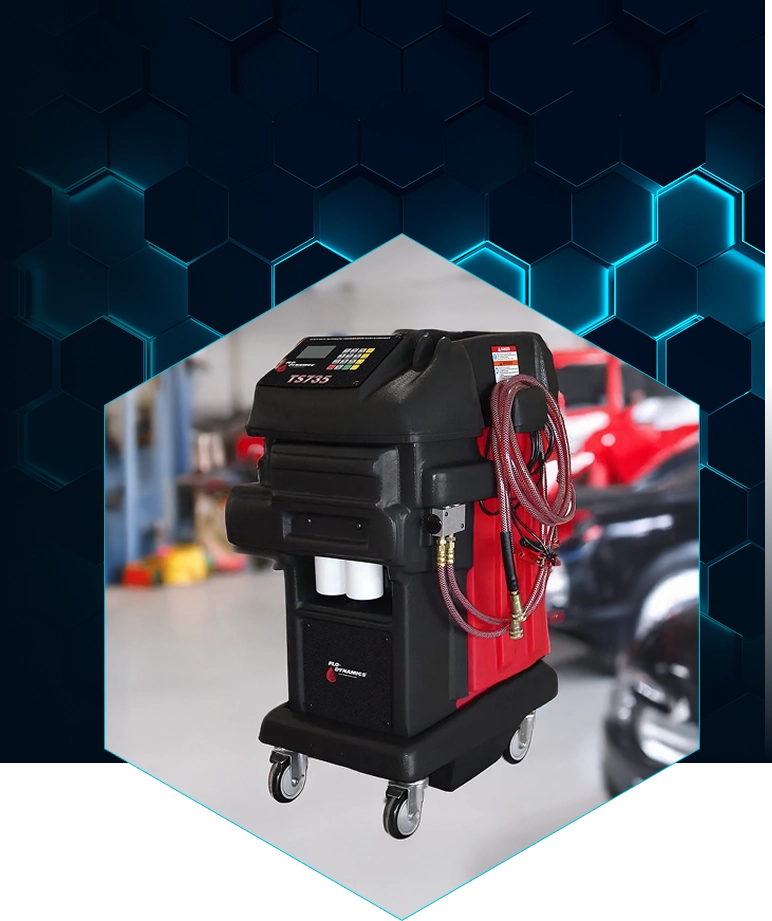
Benefits of a Transmission Flush
Transmission fluid is the lifeblood of a transmission, and it gets hot and breaks down the more you use your vehicle. When it comes to the benefits your car, truck, or SUV might experience following a transmission flush, this can be night and day in terms of driving quality. Having a transmission flush done every few years or every 30,000 miles can increase the life and performance of your transmission. At Lifetime Transmissions, your transmission will receive only the very best synthetic transmission fluid when we perform the fluid flush. Another benefit of having a transmission flush is that your car will experience smoother shifts between gears, which can put less strain on it each time you hit the road. Our team’s main goal during a synthetic transmission flush or any upkeep service is to ensure your vehicle is treated like royalty, and all boxes are checked off your service list. We take great pride in our facilities, training, and team, so anytime you need to schedule transmission-related repairs, replacements, or maintenance, let Lifetime Transmissions be the first place you reach out to. We are AAA-approved and BBB-accredited and cannot wait to lend a hand.
Your Go-To Maintenance Team
The best way to prevent a major transmission problem is to schedule annual maintenance with a team of professionals who understand this system and its everyday wear and tear. Much like your engine or brakes, the transmission has to constantly adapt and activate while on the road, which can degrade its parts over time. Because of this, our team at Lifetime Transmissions has spent the last four decades perfecting our maintenance program for new and used drivers and stepping in before, during, and after problems begin to show themselves while you are behind the wheel. There are countless benefits to scheduling routine transmission care, including flushes, so do not be hesitant to come by the shop and ask us your questions. We’re open from Mon-Thurs: 7:30am-6pm weekly and accept walk-ins.
There is no one-size-fits-all answer because driving habits matter.
Some manufacturers recommend service intervals based on mileage, while others depend heavily on how the vehicle is used. If you tow campers, boats, enclosed trailers, equipment, or work trailers, or spend time in stop-and-go traffic, hills, heat, or heavy hauling, you are usually considered severe-duty driving.
Severe-duty vehicles often benefit from more frequent service than vehicles used only for light commuting.
One mistake people make is waiting until the transmission starts slipping or shifting poorly before thinking about maintenance. By then, the fluid may already be worn down or internal wear may have started.
Clean fluid helps cool, lubricate, and protect the transmission. Maintenance is usually cheaper than repairs.
If you tow, haul, drive in Oklahoma heat, or put heavy use on the vehicle, it is smart to talk with a transmission professional about what service schedule makes sense for how you actually drive.
The best thing you can do for transmission life is simple: keep up with maintenance and pay attention to small changes before they become big problems.
Clean transmission fluid helps cool, lubricate, and protect internal components. Beyond fluid service, avoiding overheating, fixing leaks early, and not ignoring symptoms all make a difference.
If you tow campers, boats, enclosed trailers, work trailers, or equipment, your transmission is working harder than a daily commuter vehicle. Towing, hills, stop-and-go traffic, and Oklahoma heat all increase wear and heat, which means maintenance matters even more.
Transmissions usually give warning signs before failure. Slipping, shuddering, delayed shifts, harsh engagement, overheating, hunting for gears, or burnt smell are worth paying attention to.
A transmission that gets serviced, cooled properly, and checked early when symptoms appear generally has a much better chance of living a long life than one that gets ignored until it stops moving.
That depends on the condition of the transmission, the mileage, how the vehicle has been used, and whether symptoms already exist.
Many customers use the words “flush” and “service” interchangeably, but they are not always the same thing.
In general, a transmission service may involve replacing fluid and a filter where applicable, while a flush moves fluid through the system more completely. The right choice depends on the vehicle and condition of the transmission.
If a vehicle tows campers, boats, enclosed trailers, work trailers, or sees heavy-duty use, staying ahead of maintenance matters even more.
The important thing is avoiding a one-size-fits-all approach.
At Lifetime Transmissions, we believe maintenance decisions should be based on vehicle condition, symptoms, mileage, and how the vehicle is used, not guessing or selling something unnecessary.
The goal is protecting the transmission and helping you avoid future problems, not just checking a box.
Not automatically, but this is where good advice matters.
Many people have heard stories like: “My transmission failed right after a flush.” Sometimes the transmission already had internal wear, slipping, or neglected maintenance before service ever happened. The service did not necessarily create the problem, it may have exposed a problem already there.
High-mileage transmissions should not be treated with a cookie-cutter approach. Vehicle condition matters. If the transmission already slips, shudders, bangs into gear, overheats, smells burnt, or has significant wear, that changes the conversation.
How the vehicle was maintained, whether it tows, fluid condition, mileage, and symptoms all matter.
Before recommending a flush or service, someone should look at the overall condition of the transmission instead of automatically treating every high-mileage vehicle the same way.
A little caution and proper evaluation can prevent a lot of unnecessary expense or frustration.