

Truck Transmission Repair
Truck Transmission Repair in Broken Arrow, OK
Specialized in Truck Care
Experts in Ford, Chevy, GMC, and Dodge
For Broken Arrow drivers needing specialized dependable truck transmission repair for their Ford, Chevy, GMC, or even Dodge RAM light-duty model, the choice is simple. The team at Lifetime Transmissions is here to lend a hand. For 40+ years, our repair team has been trained using the best programs money can buy as well as with state of the art equipment and cutting edge AI software. We have approximately 140 years of combined transmission experience and knowledge under our roof at any given time. We spent years learning how to do it better than anyone else. The community has voted; we are the best of the best in Broken Arrow, verified through Business rate. We get to know our customers by giving them total confidence in our service and educating them on the importance of maintenance in order to keep them out of trouble. Our friendly team is happy to help you with anything related to your transmission, from diagnosing, repairing, custom rebuilding, replacements, fluid flushes and services. Whatever you need throughout the four seasons, the Lifetime Transmission crew has your back. Also, financing is available for those not quite ready for a last-second fix. To begin with your truck transmission repair or an inspection at the shop, you can call us at 918-695-7012 or visit us at 2221 W. Albany St. Broken Arrow, OK 74012. You can also check out our website’s messaging form.
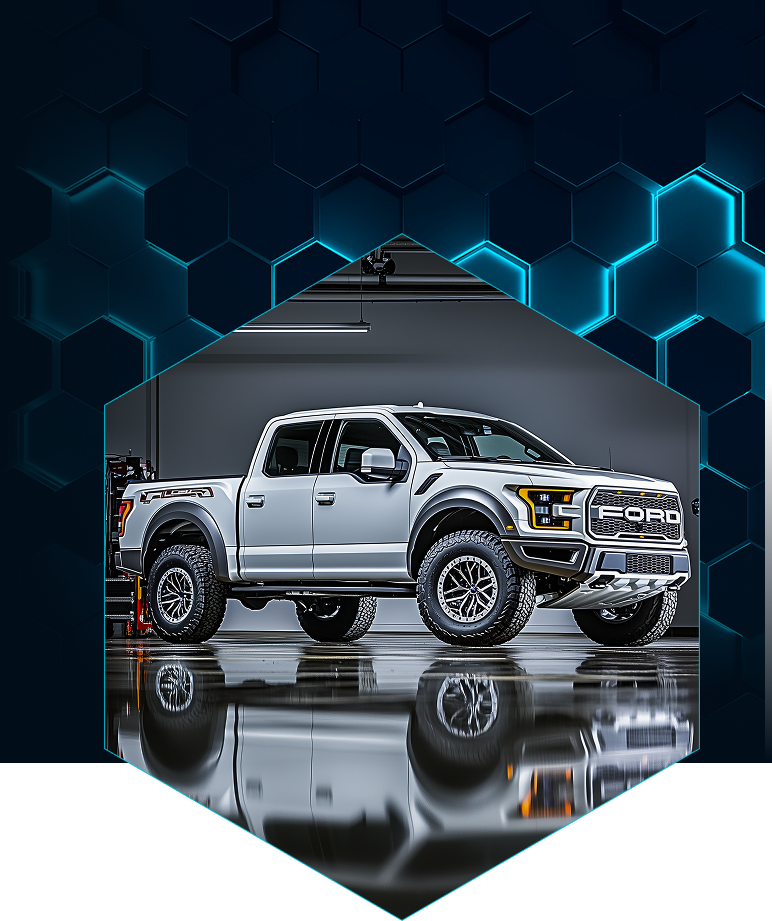
Light Duty Transmission Repair
Light-duty truck transmission repairs can look different for everybody, especially those who use their vehicle for work or are more rigorous in driving and off-roading. The job of a transmission is to divert the engine power to the wheels of your vehicle, so anything that goes wrong can have a major impact on the way you get from point A to B. Specifically, we focus on trucks like Ford, GMC, Chevy, and Dodge RAM gas and diesel, 150-550, 1500-5500. You can count on our team to tackle transmission repair and services for Ford, GMC, Chevy, and Dodge RAM gas and diesel 150-550, 1500-5500, and this will be comprehensive care and repair whenever you need it. Our technicians can get started on things like part replacements when yours wears down, and we will be here for flushes and fluid top-offs every few years. Your truck’s transmission diagnostics are covered under our roof, so don’t be shy to reach out and let us know how we can be of service.
WE GET YOU ON THE ROAD FASTER
At Lifetime Transmissions, we know first-hand what an inconvenience it is to be without your truck. But if you’re a Hot shotter, pipe fitter, welder, farmer, rancher, etc. it’s a catastrophe. We know you’re losing money every day that truck is down, and at Lifetime Transmissions we make the working trucks a priority. We are extremely good at what we do, in fact we are the authority on truck transmissions. We have a variety of Ford, Chevy, GMC, and Dodge RAM truck transmissions on our shelves built specifically for the extreme duty work trucks to get you back on the road fast. That way, you can get back to doing what you do best, making money. Our team at Lifetime Transmissions in Broken Arrow won’t just assume that you need a transmission, we will first diagnose the concern and report our findings to you. Then, if a repair is all you need we keep moving on that just as quickly. Whatever our friendly team can do to make your time with us pleasant, we will do. With last-minute walk-in and convenient financing for our customers, there is no better transmission repair team in the community that you can trust your truck to. Light-duty trucks will eventually need repairs and replacements during their time on the road, so trust us with your current and future bookings. With 43 years in the transmission business, we are top-rated for a reason – we’ve earned it by being voted best of the best in Broken Arrow by business rate. We are also the only AAA approved transmission shop in Oklahoma to be BBB-accredited. Come see us soon! We can’t wait to meet you, so please don’t wait to visit us Monday – Thursday. 7:30am-6:00pm.
Yes, repeated overheating can permanently damage a transmission if ignored long enough.
Heat is one of the biggest enemies of transmission life. Transmission fluid is designed to cool, lubricate, and protect internal parts, but excessive temperatures break that fluid down faster and reduce its ability to do its job.
Once temperatures stay too high too long, clutch materials, seals, valves, internal components, and fluid quality can all suffer.
The important thing to understand is this: one overheating event does not automatically mean disaster.
Sometimes a cooling issue or maintenance concern is caught early before major damage happens. Other times, repeated overheating while towing, hauling, slipping, or ignoring warning signs leads to bigger and more expensive repairs.
Customers who tow campers, enclosed trailers, boats, or equipment should pay especially close attention because towing creates additional heat naturally.
If you notice overheating, burnt smell, slipping, shuddering, or harsh shifts, the smartest move is checking it early instead of pushing it harder and hoping it improves.
Towing changes everything for a transmission.
A truck or SUV that feels perfectly normal empty may suddenly shift harder, hold gears longer, downshift more often, run hotter, hesitate, or feel different once you hook up a camper, boat, enclosed trailer, equipment trailer, or work trailer.
That does not always mean something is wrong. Modern transmissions are designed to react differently under load. They may hold lower gears longer to protect the drivetrain, improve pulling power, and help control heat.
However, towing can also expose problems that are easy to miss while driving empty. Weak clutch materials, torque converter concerns, cooling restrictions, worn fluid, overheating, pressure loss, or internal wear may only show up once the transmission is working harder.
If the vehicle slips, shudders, overheats, hunts for gears excessively, smells burnt, or shifts abnormally only while towing, it is worth having checked sooner rather than later.
Towing is considered severe-duty use. Boats, campers, work trailers, hills, Oklahoma heat, and highway pulling all add stress, which makes maintenance and early diagnosis even more important.
If your transmission slips, shudders, shifts strange, runs hot, or struggles only when towing, but drives fine empty, do not ignore it. That is often an early warning sign that the transmission is struggling under added load.
Towing puts far more stress on a transmission than everyday driving. A truck that feels perfectly normal driving to work may suddenly start acting up when you hook up a camper, boat, enclosed trailer, equipment trailer, or work trailer. Pulling hills, highway speeds, Oklahoma heat, stop-and-go traffic, and extra weight all force the transmission to work harder.
Sometimes the problem is maintenance-related, such as worn fluid, restricted cooler flow, overheating, or a torque converter issue. Other times, towing exposes early clutch wear, pressure loss, valve body concerns, internal wear, or weak components that simply do not show themselves under lighter driving.
The good news is this does not automatically mean you need a rebuild. We see plenty of towing-related concerns that can be caught early and corrected before major damage happens.
The key is getting it checked before continuing to tow and making the problem worse. What feels minor under load today can turn into a much bigger repair tomorrow.
Towing by itself is not necessarily damaging your transmission, but it absolutely makes the transmission work harder.
When you tow a camper, boat, enclosed trailer, utility trailer, or work trailer, the transmission creates more heat and handles more load than normal driving. Pulling hills, highway merging, heavy stop-and-go traffic, and hot Oklahoma summers all increase stress on the transmission.
The important thing to understand is that towing is considered “severe duty” by most manufacturers. That means maintenance schedules often need to happen sooner than normal driving schedules.
A properly maintained transmission can tow for a long time. The problems usually start when fluid gets old, cooling systems become restricted, towing capacity is exceeded, temperatures run too hot, or early symptoms get ignored.
Pay attention to changes. If the vehicle suddenly starts slipping, hunting for gears, shuddering, overheating, or shifting harder while towing, it is trying to tell you something.
Towing does not automatically ruin a transmission, but towing while ignoring symptoms can shorten its life quickly.
Heat is one of the biggest enemies of transmission life, and towing naturally creates more of it.
When you tow a camper, boat, enclosed trailer, horse trailer, or work trailer, the transmission works harder to move extra weight. Climbing hills, pulling into traffic, highway speeds, headwinds, stop-and-go driving, and Oklahoma heat all make the transmission generate more heat.
Some temperature increase while towing is normal. Modern transmissions are built to handle added load. But if temperatures get too high or stay high too long, fluid can begin breaking down and internal parts may wear faster.
Common causes of excessive heat while towing include worn transmission fluid, restricted cooler flow, cooling system problems, heavy loads, frequent gear hunting, torque converter slip, or developing internal issues.
If your truck suddenly starts running hotter than it used to while towing, shifts differently, smells burnt, or acts sluggish under load, it is worth checking out.
Sometimes the fix is maintenance or cooling-related. Other times, heat is warning you about a bigger issue developing before a major failure happens.
For many people who tow regularly, a transmission cooler can be a smart investment.
If you pull campers, boats, enclosed trailers, work trailers, equipment, or heavier loads, extra cooling may help reduce heat buildup and stress on the transmission. Heat is one of the biggest reasons transmission fluid breaks down and internal wear increases over time.
That said, not every vehicle automatically needs an aftermarket cooler. Many trucks already come equipped with factory towing packages and cooling systems designed for moderate towing.
The real question is how you use the vehicle.
If you tow often, pull in Oklahoma summer heat, climb hills, drive long highway distances, or notice the transmission running hotter than normal, a cooler may help extend transmission life.
The important thing is installing the right setup. Bigger is not always better, and poor installation or incorrect cooler flow can create problems.
If towing is part of your normal life, it is worth discussing cooling upgrades before problems show up instead of after damage occurs.
A truck shifting harder while towing can sometimes be completely normal, and sometimes it is an early warning sign.
Modern transmissions often hold gears longer, shift firmer, and downshift differently under load to improve pulling power and help control heat. If you are towing a camper, enclosed trailer, boat, or equipment, you may notice the transmission behaves differently than when driving empty.
But there is a difference between “working harder” and “acting wrong.”
If the shifts suddenly become unusually harsh, bang into gear, hesitate, shudder, slip, or feel worse than they used to, something may be developing.
Possible causes include worn fluid, overheating, torque converter issues, valve body concerns, pressure loss, restricted cooling, programming issues, or early internal wear that only shows itself under towing stress.
A truck that only acts up under load is worth paying attention to. Towing often exposes problems before everyday driving does. Catching it early may help prevent being stranded with a trailer attached or turning a smaller repair into a bigger one.
If your transmission overheats while towing, it usually means the transmission is working harder than the cooling system or fluid condition can comfortably handle.
Extra trailer weight, hills, stop-and-go traffic, highway pulling, strong winds, heavy acceleration, oversized tires, Oklahoma summer temperatures, or restricted cooler flow can all contribute to excessive heat.
Sometimes overheating starts because maintenance has been overlooked. Old or worn fluid cannot protect and cool the way fresh fluid can. Other times, overheating points to a cooling restriction, torque converter issue, slipping condition, or internal transmission wear creating extra friction.
One warning sign customers often miss is a truck that begins hunting for gears, shuddering, or smelling hot before a warning light ever comes on.
The worst thing you can do is ignore overheating and keep towing hard. Heat breaks down fluid quickly and increases wear on internal parts.
If the transmission is overheating repeatedly, especially if the symptom is new, it should be checked before towing again. Small heat-related problems have a habit of becoming expensive ones.
Towing can shorten transmission life if maintenance, cooling, or driving conditions are ignored, but it does not automatically mean your transmission is doomed.
Think of towing like asking your transmission to work overtime.
Pulling campers, enclosed trailers, boats, work trailers, equipment, or heavier loads increases heat, pressure, and stress on internal parts. Long highway drives, hills, stop-and-go traffic, and hot weather all add to that workload.
The biggest difference usually comes down to maintenance and habits.
Vehicles used for towing often need more frequent transmission service because towing is considered severe-duty driving. Paying attention to fluid condition, cooling performance, towing capacity, and early symptoms matters.
We see plenty of trucks with long transmission life that tow regularly because they were maintained and problems were addressed early.
On the other hand, towing through slipping, overheating, harsh shifting, or warning signs can shorten transmission life quickly.
A well-maintained towing vehicle can last a long time. The key is staying ahead of problems instead of waiting for failure.
Absolutely.
Heat affects every transmission, and Oklahoma summers can be hard on vehicles that tow.
When you combine high outside temperatures with pulling a camper, boat, enclosed trailer, work trailer, or equipment, transmission temperatures rise faster and stay hotter longer. Add hills, highway speed, stop-and-go traffic, or heavy loads, and the transmission is working much harder than normal.
Heat breaks down transmission fluid over time. Once fluid starts losing its ability to cool and lubricate properly, shifting problems, slipping, overheating, and wear can happen sooner.
That does not mean towing in Oklahoma is unsafe. It simply means maintenance matters more.
Watching for warning signs like burnt smells, slipping, shuddering, gear hunting, delayed shifts, or hotter-than-normal operation becomes important during summer towing season.
Customers who tow regularly in hot conditions should also pay closer attention to service intervals and cooling performance. Catching problems early is always cheaper than dealing with a failure on the side of the road with a trailer attached.
Stop-and-go traffic can absolutely be harder on a transmission than steady highway driving.
Every stop, acceleration, shift, and heat cycle creates wear. Sitting in traffic, repeated starts and stops, towing in city traffic, or heavy commuting can increase heat and workload inside the transmission.
For trucks towing trailers, boats, campers, or work equipment, stop-and-go driving can be even harder because the transmission is constantly moving extra weight from a stop.
That does not mean city driving destroys transmissions, but it does mean maintenance matters more.
Heat and fluid breakdown happen faster in severe-duty driving situations. That is why vehicles that tow, haul, or spend lots of time in traffic often benefit from closer attention to service intervals.
A vehicle may seem fine for years, then gradually start showing delayed shifts, harsh engagement, overheating, or slipping as wear builds up.
Good maintenance and catching small symptoms early usually pay off.
In most cases, yes.
Towing is considered severe-duty use, which means your transmission is working harder and generating more heat than normal driving.
If you regularly tow campers, enclosed trailers, boats, work trailers, horse trailers, or equipment, your transmission fluid usually experiences more stress than someone simply commuting back and forth to work.
Hills, highway towing, Oklahoma heat, heavy loads, stop-and-go traffic, and pulling into traffic all increase transmission workload.
Many people make the mistake of following maintenance schedules designed for light driving when their vehicle spends a lot of time towing.
That does not automatically mean constant service, but it usually means paying closer attention to fluid condition, performance changes, and service intervals.
The biggest thing is staying ahead of problems. Waiting until the transmission starts slipping, overheating, or shifting poorly before thinking about maintenance can become expensive quickly.
Yes, certain driving habits can absolutely shorten transmission life over time.
Things like aggressive acceleration, repeated hard towing, overheating, ignoring warning signs, overloading the vehicle, frequent stop-and-go abuse, towing beyond vehicle limits, or continuing to drive while slipping or shifting harshly all increase wear.
Even smaller habits matter. For example, repeatedly shifting between Drive and Reverse before fully stopping, ignoring leaks, or continuing to tow when the transmission is overheating can create unnecessary stress.
That said, normal driving does not ruin transmissions.
The goal is not to scare people, it is simply understanding that transmissions respond to heat, load, and stress. Vehicles used hard generally need more maintenance and attention.
Treat the transmission like expensive equipment, because it is. A little care, maintenance, and early attention to symptoms usually goes a long way.